




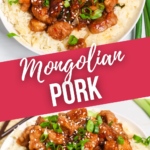
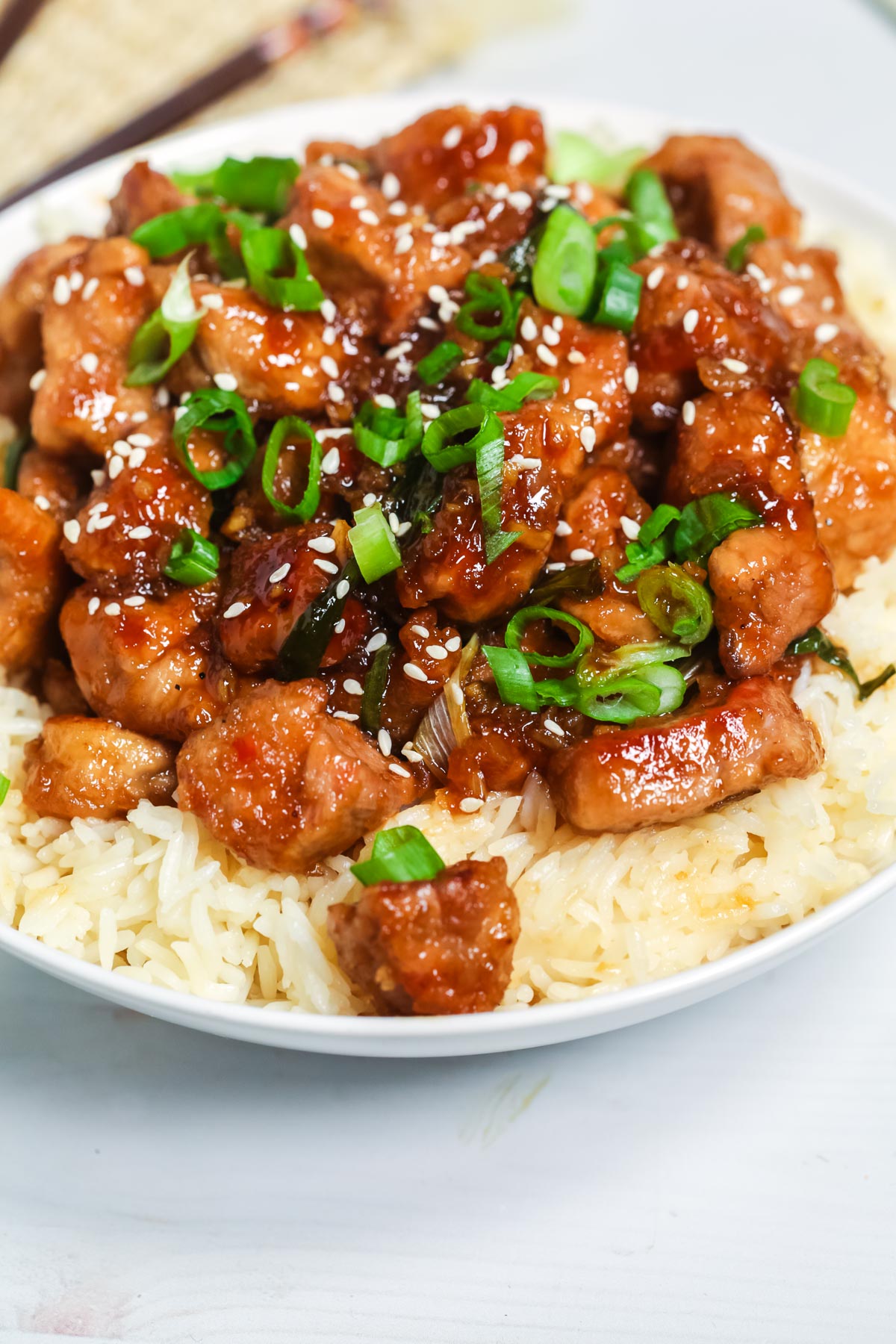
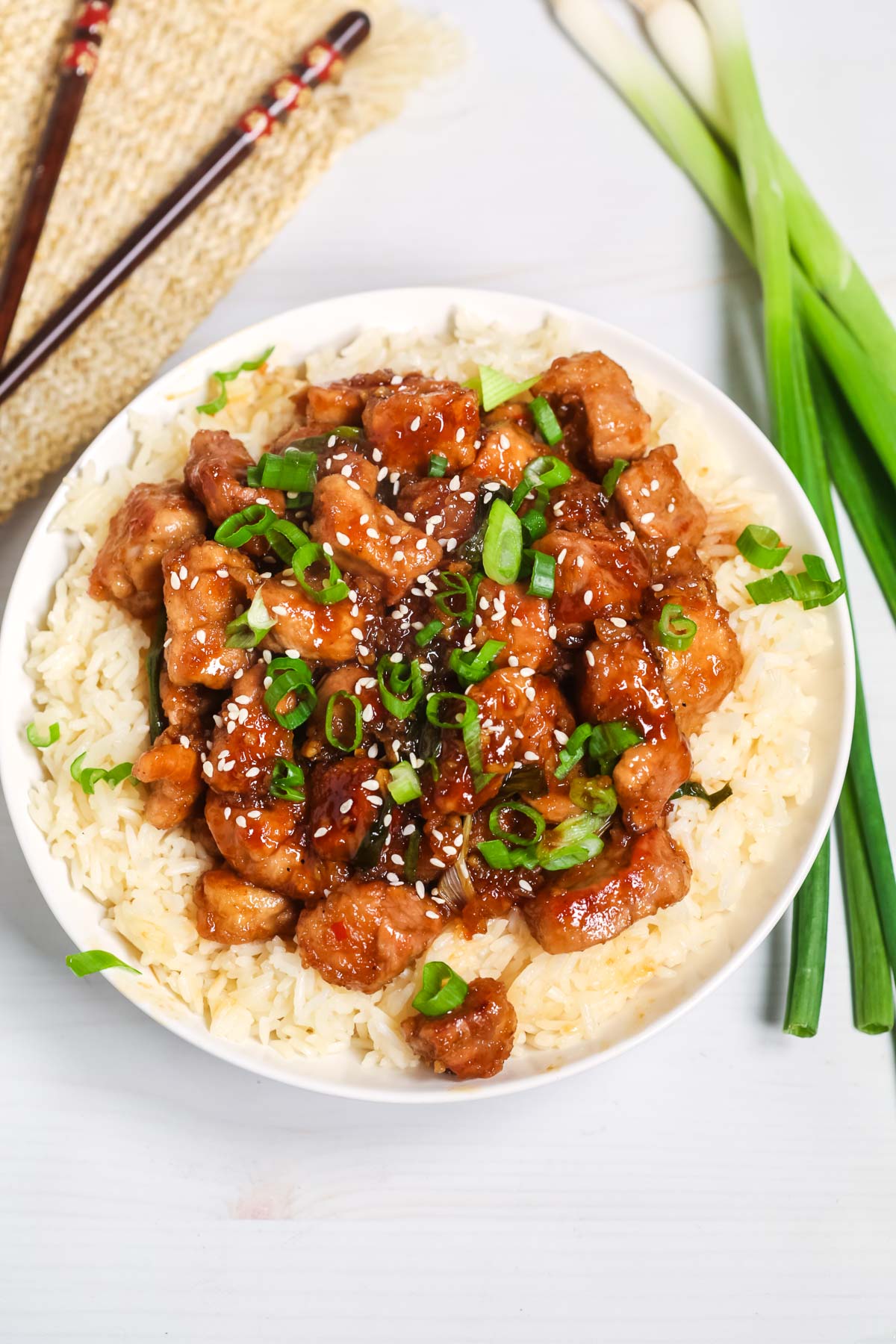
Mongolian Pork is one of my favorite 30 minute dinners to make. This easy weeknight dinner that tastes like you spent way more time on it than you actually did. Tender, golden-seared pork tenderloin gets tossed in a sticky-sweet soy and brown sugar sauce that’s every bit as good as your favorite Asian pork recipe. I
f you’ve been reaching for the takeout menu on busy nights, this 30-minute better-than-takeout dinner is about to change that habit. We also love this Quick Roast Pork Chow Mein and Crock Pot Balsamic Pork Tenderloin.
SAVE THIS RECIPE!
Enter your email below and we’ll send this recipe straight to your inbox.
This post is sponsored by the Kansas Farm Bureau and the Kansas Soybean Commission. As always, all opinions are my own.
Recently, I was on a farm tour in Kansas and learned all about the pork industry. This Mongolian Pork recipe was inspired by that trip. My family loves pork tenderloin but we were bored with the same recipes I’ve been making.
I decided to take a recipe traditionally made with beef and swap it for pork. This Asian pork tenderloin marinade and sauce was huge hit!
Why This Recipe is a Keeper
This Mongolian pork comes together in just 20 minutes and tastes like something you’d order from your favorite restaurant.
- 30 Minute Meal: This family favorite is quick and easy – perfect for busy weeknights!
- Lean Cut: Pork tenderloin cooks fast, stays tender, and is lower in fat than many stir-fry proteins.
- One Pan: The sauce builds right in the same skillet you used for the pork, so cleanup is minimal.
- Makes Great Leftovers: We used the leftovers to make Asian Tacos
What Reader’s Are Saying…
⭐⭐⭐⭐⭐
“I know what we are having for dinner tonight!! Boom boom tacos 😁 We had it before and it is absolutely delicious. Thank you for sharing!”
~ Elena
What Is Mongolian Pork Made Of?
Mongolian pork is made with thinly sliced pork tenderloin coated in cornstarch and pan-seared until golden.
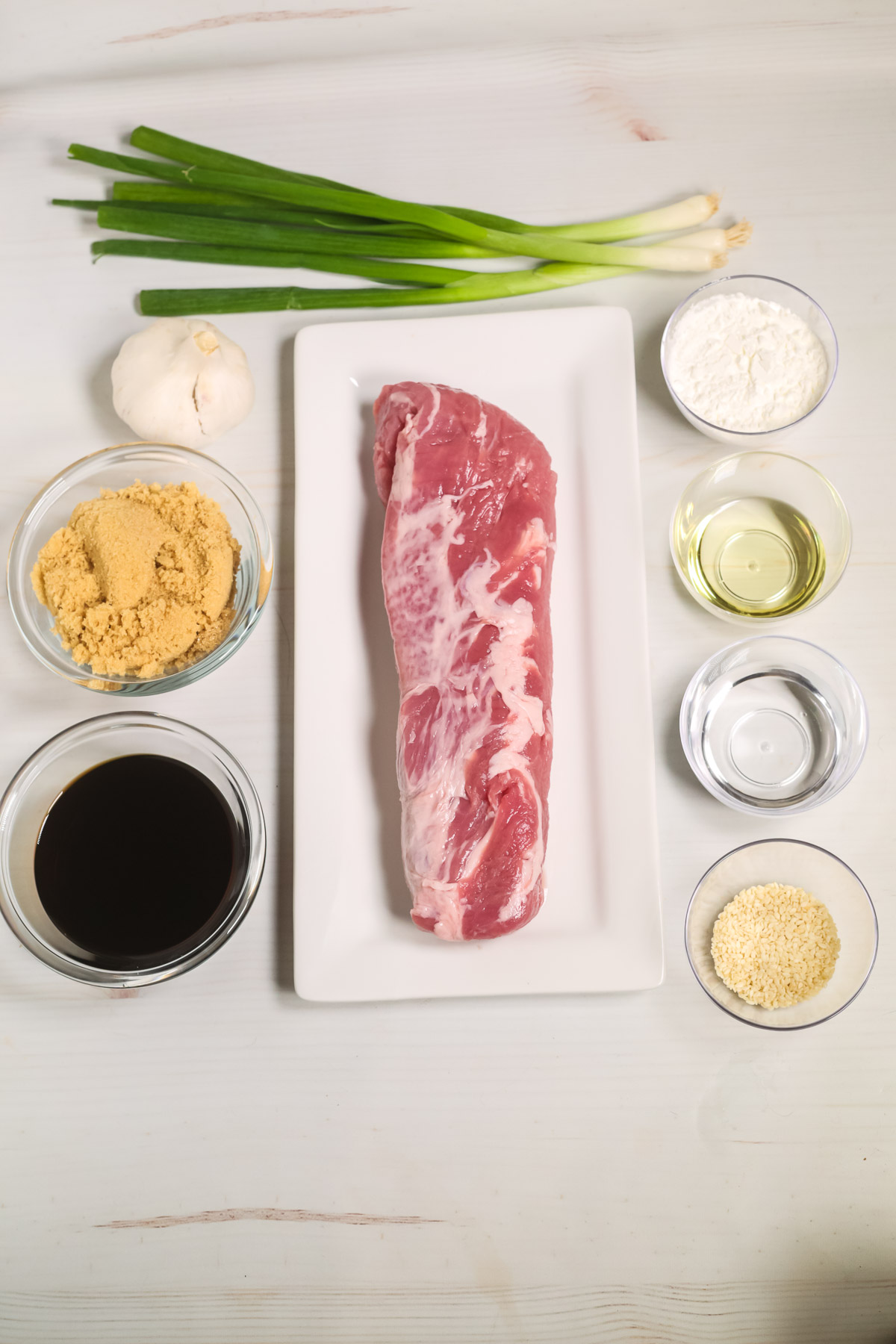
The sauce comes together with just a handful of pantry staples: low-sodium soy sauce, dark brown sugar, water, garlic, and freshly grated ginger. Those ingredients create that signature sweet-savory glaze you know from your favorite takeout spot.
Green onions and sesame seeds finish the dish and add a little color and texture. It’s a short ingredient list that delivers a seriously big flavor payoff.
Ingredient Notes
- Pork Tenderloin: Pork tenderloin usually comes in a two-pack. I used one for this recipe and froze the other one for another recipe later. I like to use a 16 ounce piece for this recipe.
- Garlic: You can mince the cloves garlic or use pre-minced garlic from a jar.
- Fresh Grated Ginger: Like the garlic, you can grate your own or use pre-grated ginger from a jar. It’s so easy!
- Soy Sauce: I like to use the low-sodium variety. This way I can cut down the amount of sodium in the recipe.
- Brown Sugar: Use dark brown sugar in this recipe. It has a deeper flavor.
Variations and Substitutions
This recipe is easy to adapt based on what you have on hand or how you like your Asian pork recipes to taste.
➡️ Swap the protein – Use chicken breast or thighs cut into bite-sized pieces if you don’t have pork tenderloin on hand.
➡️ Try a different cut – Pork loin or pork shoulder work here; just adjust your cook time since they’re denser cuts.
➡️ Reduce the sweetness – Cut the brown sugar back to 1/4 cup if you prefer a less sweet, more savory sauce.
➡️ Add heat – Stir in 1/2 teaspoon of red pepper flakes or a drizzle of chili garlic sauce when you add the soy sauce.
➡️ Use coconut aminos – Swap the soy sauce for coconut aminos for a gluten-free, slightly sweeter version of the sauce.
➡️ Load up the vegetables – Toss in broccoli florets, snap peas, or sliced bell peppers with the green onions for a more complete one-pan meal.
How to Make This Asian Pork Recipe
The protein and the Asian pork marinade comes together in four simple stages, and the whole thing is done in 30 minutes.
These are just highlights. Get the full printable recipe with specific measurements and directions in the recipe card below.
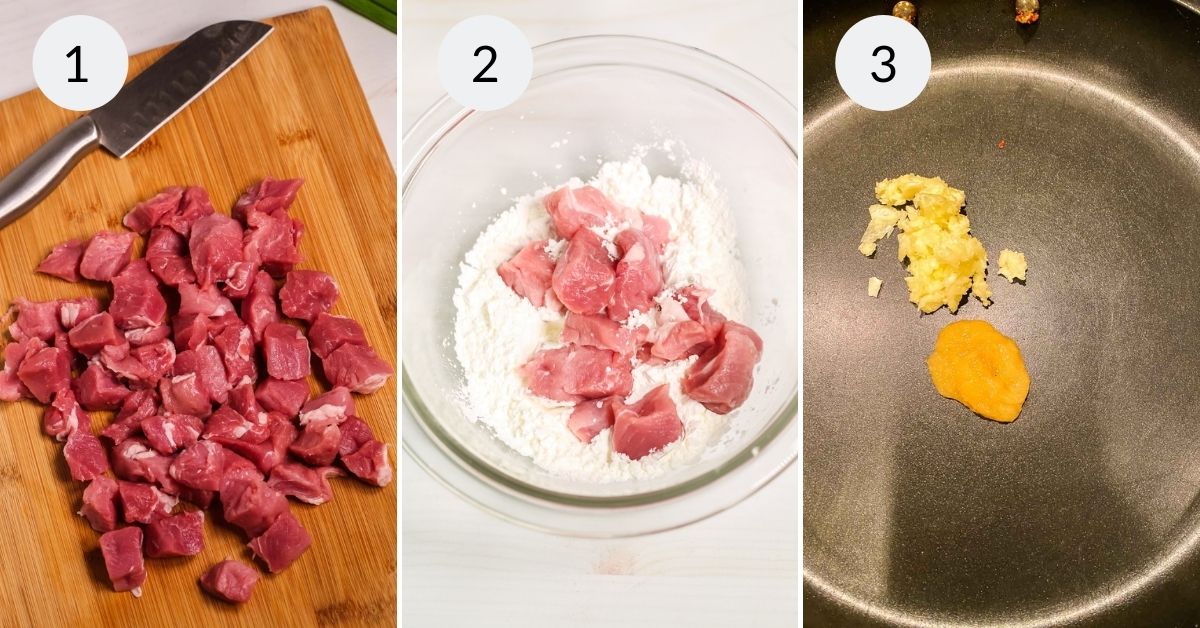
STEP 1: PREPARE THE PORK
Cut the pork tenderloin into 1/2 inch pieces. The key is to make sure they are the same size so that they will cook evenly.
STEP 2: COAT THE PORK
Coat the pork pieces in cornstarch. The cornstarch gives a nice crispy coating to the pork and helps to thicken the sauce. I added the cornstarch to a bowl and tossed the pork but it would have been much easier if I added the cornstarch to a clean plastic bag (zip top bag) and used my favorite bag holder. Then all I would have to do is shake it – it’s much less messy this way.
STEP 3: BROWN THE PORK
Brown the pork in a large skillet over medium-high heat. Make sure you don’t overcrowd the pan or the pork will steam and not get crispy. If you have excess meat, work in batches. Also, if you have a wok, you could easily stir fry it that way.
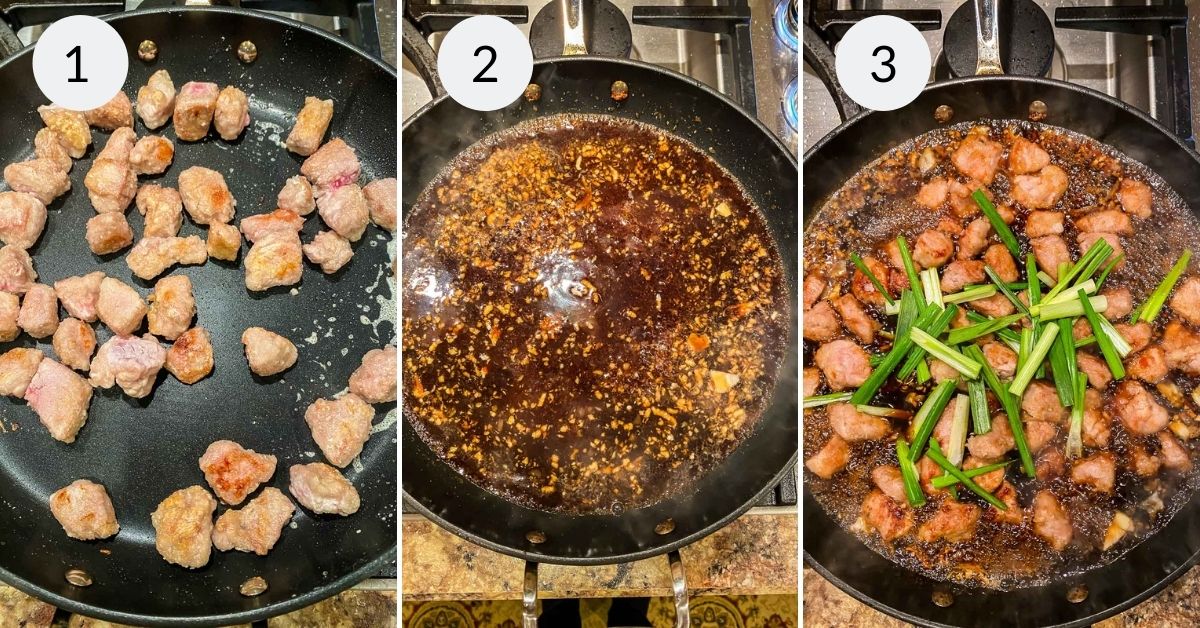
STEP 4: MAKE THE SAUCE
Remove the pork and add the garlic, ginger, soy sauce, brown sugar, black pepper and water to the skillet and whisk it together. The sauce will be pretty thin at this point.
STEP 5: ADD THE PORK
Add the pork back to the skillet with the green onions – use about two-thirds of the green part – and allow it to simmer in the sauce. The cornstarch coating will help thicken the sauce so it clings to the pork.
Prep and Storage Tips
Getting ahead on this (inspired) Chinese pork recipe is easier than you’d think. A little prep work means dinner comes together in just minutes on a busy night.
➡️ Cook the rice early: Make your rice ahead and refrigerate it — day-old rice actually reheats beautifully and won’t get mushy under the sauce.
➡️ Slice the pork: Cut the pork tenderloin into pieces up to 24 hours ahead and store it in an airtight container in the fridge.
➡️ Mix the sauce: Stir together the soy sauce, brown sugar, and water and keep it in a jar in the refrigerator for up to 3 days.
➡️ Mince the aromatics: Prep the garlic and grate the ginger ahead of time and store them together in a small covered bowl in the fridge.
What Is the Difference Between Mongolian Pork and Mongolian Beef?
The biggest difference is the protein. Mongolian beef is traditionally made with flank steak sliced thin against the grain, while Mongolian pork uses pork tenderloin cut into bite-sized pieces. Both are coated in cornstarch, seared until golden, and finished in the same sticky soy and brown sugar sauce.
In terms of flavor, the two dishes are very similar. The sauce is the star in both recipes, so the taste is nearly identical. Pork tenderloin is leaner than flank steak, so it cooks a little faster and has a slightly milder flavor that lets the sauce shine even more.
Texture is where you’ll notice the most difference. Flank steak has a chewier, beefier bite, while pork tenderloin is incredibly tender and almost melts in your mouth. If you love Mongolian beef but want to switch things up, this asian pork tenderloin recipe is a perfect place to start.
Frequently Asked Questions
I would not recommend this substitution. The powdered ginger just doesn’t have the same flavor as fresh grated. If you can’t find fresh ginger in the produce department, you can look for pre-grated ginger in a jar. It works just as well.
Absolutely! If you’re feeding a larger bunch or if you want leftovers, you can easily double the ingredients. Conversely, if you have a smaller family, you can easily cut the ingredients in half for smaller portions.
The inspiration for Mongolian Beef originated in Taiwan. Over the years, this recipe has become very Americanized and doesn’t use the processes or ingredients found in the original Asian recipe. If you’d like to try a more traditional recipe, give this one a try.
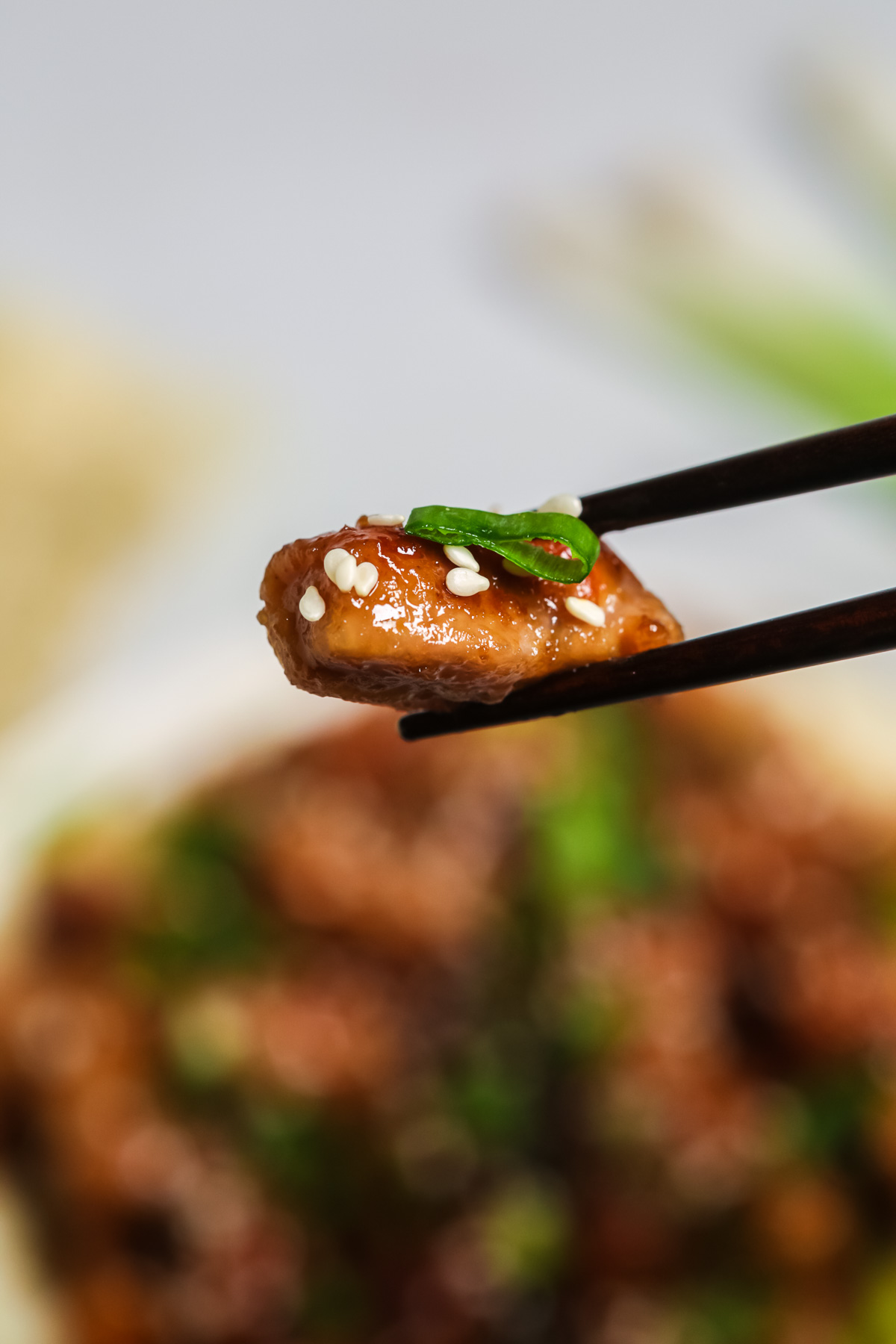
Expert Tips for Making this Recipe
➡️ Pat it dry: Pat the pork pieces dry with a paper towel before adding them to the cornstarch bag so the coating sticks better.
➡️ Don’t crowd the pan: I always cook the pork in batches if needed — crowding the skillet causes steaming instead of searing.
➡️ Watch the sauce: The sauce thickens fast once the pork goes back in, so I keep stirring and pull it off the heat as soon as it coats the pork.
➡️ Use dark brown sugar: Light brown sugar works in a pinch, but dark brown sugar gives the sauce a deeper, richer flavor that’s worth it.
I like to serve this over a large bowl of white or brown rice. Any remaining marinade can soak into the rice making a super flavorful dish. You can serve any of your favorite veggies with this – bell peppers, carrots and broccoli are great.
If you’re looking for more easy recipes, try this Air Fryer Pork Loin Roast or my Hamburger Gravy.
We Recommend You Try These



SAVE THIS RECIPE!
Enter your email below and we’ll send this recipe straight to your inbox.
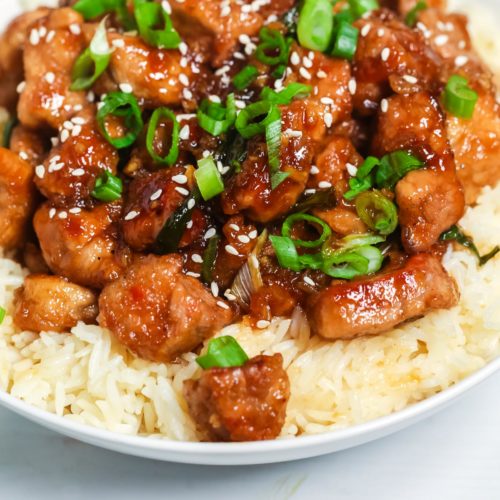
Mongolian Asian Pork Tenderloin
Video
SAVE THIS RECIPE!
Ingredients
- 1 pound pork tenderloin
- ¼ cup cornstarch
- 2 tablespoons canola oil
- 4 garlic cloves, minced
- 1 tablespoon freshly grated ginger
- ½ cup low-sodium soy sauce
- ⅓ cup dark brown sugar
- ¼ cup water
- 2 green onions, green parts only, sliced into 2 inch pieces
- ½ teaspoon ground black pepper
- 2 teaspoons sesame seeds, for garnish
Instructions
- Cut the pork tenderloin into 1/2 inch pieces.
- Add the cornstarch to a large zip top bag; Add the pork pieces to the bag and seal it, making sure to remove the excess air.
- Shake the bag to coat the pork in the cornstarch.
- Use a slotted spoon to remove the pork pieces, shaking off excess cornstarch, and transfer to a plate.
- Add the canola oil to a large skillet over medium-high heat. When the oil is shimmering add the pork pieces in an even layer being careful not to overcrowd the pan. You can cook the pork in batches if you need to.
- Cook the pork for 4-5 minutes the flip the pork and cook for an additional 2-3 minutes or until the internal temperature is 140°F.
- Transfer the pork to a clean plate and set aside.
- In the same skillet, add the garlic and grated ginger. Cook for 30 seconds until fragrant.
- Add the soy sauce, brown sugar and water and stir to combine.
- Bring the sauce to a simmer. Add the pork and sliced green onions to the skillet.
- Cook for 3 minutes. The sauce will thicken as it cooks.
- Serve over rice and sprinkle with sesame seeds for garnish.
Christina’s Notes
- Dry the pork: Pat the pork pieces dry before coating them in cornstarch so you get a better sear and the coating stays put.
- Remove excess cornstarch: Use a slotted spoon to lift each piece out of the bag and give it a good shake. Too much cornstarch on the surface will turn gummy instead of forming that crispy, sauce-grabbing crust. A light, even coating is exactly what you’re after here.
- Cook in batches: Don’t overcrowd the skillet — cook the pork in batches so each piece gets golden and crisp instead of steaming.
- Dark brown sugar: Use dark brown sugar for the deepest, richest sauce flavor — it makes a noticeable difference.
- Watch the sauce closely: The sauce thickens quickly once the pork is added, so stir often and remove from heat as soon as it coats the pork.
- Store it right: Keep leftovers in an airtight container in the fridge for up to 4 days and reheat with a splash of water to bring the sauce back to life.
- Scale the recipe: Simply adjust the serving size in the recipe card and the ingredients will update automatically.
- Make your own All Purpose Seasoning: When a recipe calls for All Purpose Seasoning, you can use my homemade All Purpose Seasoning recipe or substitute salt and pepper to taste.
- Meat doneness: I always use a meat thermometer to test for doneness when cooking meat.
- Use unsalted butter: I use unsalted butter so I can control the salt level in the recipe.
- Preheat the oven: Unless otherwise noted, always preheat your oven before baking.
For more helpful information about this recipe, such as variations, substitutions and other pro-tips, check out the blog post.
Nutrition
The nutritional information provided are estimates. It is recommended that you verify this information with your own trusted resource.
We love honest feedback, but to keep reviews helpful for everyone, we reserve the right to remove star ratings if it is clear the recipe has not been made, if the comment does not provide meaningful input, or if significant substitutions or alterations were made. Please note that ratings should reflect the original recipe as written to avoid confusing other readers.
This recipe is my personal adaption of an ethnic inspired recipe. It is not intended to be an authentic recipe. I’ve recreated this recipe because I enjoy the flavors and I want to encourage my readers to expand their tastes and try new flavor combinations. The recipe, ingredients and processes may have been adapted to make the recipe accessible for the average American. I have provided links to authentic versions of the recipe in the post above. I encourage you to visit these pages and learn more about the traditional version(s) of this recipe.
This was good. I did make a few minor substitutions. I used half the pork. I think this was the right call because otherwise there would be almost no sauce. I also should have followed the directions to cut the pieces more closely to 1/2 inch. I also didn’t have corn starch so I substituted rice flour, which turned out well. I used my garlic press to “press” the ginger, which turned out pretty well and I think faster than other methods for getting fresh ginger into a pot.
Love this recipe.
Quick, easy and the sauce is perfectly balanced and very flavourful.
Yum! It is a keeper!
Made this for dinner tonight. Easy, tasty, and uses ingredients I have in my kitchen. Will make again.
Excellent flavor and I enjoyed every bite. Thank you.
nice and tasty, did not see where to use the Pepper? I used dark soy sauce but will try light next time as it was heavily favoured soy sauce in the meal. maybe the low sodium will not be as heavy. will make again.
Easy and delicious. Added steamed broccoli as suggested by other comments. We did not find it salty – used low sodium soy sauce. Will definitely save this recipe ! Thank you!
This was amazing!! SO easy to make too – which I highly appreciate. I added broccoli as well – I steamed it while the pork was cooking and then tossed it into the sauce at the end. So good. My family requested I double it the next time because we had zero leftovers!
no ingredients list with quantities just a picture showing 8 ingredients 2. of which I can recognise ???????????
Peter, The complete recipe and ingredients are in the recipe card on the page. Maybe try looking again.
Love this recipe & have made it a few times! The directions were clear & easy to follow. I upped the ginger because I really wanted the flavor to punch through. I had Housin sauce in my cupboard so I used 1/2 soy & 1/2 Housin which was excellent! Thank you for posting the recipe.
So glad you enjoyed it. I love to add extra ginger too!
This is a simple recipie woth lots of flavor. the recipe writing could use some tweaking, but overall solid. My whole family enjoyed and that can be difficult to achieve. Also, my color was close to the picture. 😉
How do you suggest tweaking it and why?
Made this for my family and they really liked it. I will definitely make this again.
Nice but way too salty. Diluted with 3 more cups of water & still too salty from soy sauce. Less sugar needed too.
Make sure that you are using a low sodium soy sauce for the recipe. That should be the only salt used in this recipe.
Pretty good, despite poorly written recipe. And lists pepper as ingredient but nothing is said about pepper in instructions.
this turned out soooo good and it was delicious. I only had light brown sugar, but it still was delicious. this is now a keeper and will be on rotation as a regular meal. I also used ground ginger as it was all I had, but worked out fine. there were no leftovers and im still wanting more the next day !!!
Very disappointing!!! The lovely golden colour of the pork in your recipe picture is NOT possible using Soy Sauce and Dark Brown Sugar. Too salty even after diluting with more water.
I assure you that you can get the color on the pork using this recipe. You can use reduced salt ingredients if you do not like too much salt as it is a personal preference.
I mean yes. yea you can get that golden look to the pork. I just did it last night and last week and the other dozen times I’ve made this. you do realize that there is low sodium soy sauce right? everyone has different taste preferences and it’s definitely not too salty or at least not any more salty than other Asian dishes. pretty sure the not being able to get it golden is a user error and not the recipe because lots of people have had success making this. maybe this is just outside your experience level. throw some ramen in the microwave and call it done.
Delicious
Delicious! I doubled the recipe and added some chopped veggies to it.
Absolutely yum!
It was fabulous. Easy to make and is now a staple
This recipe was very good. Great flavor! We are always looking for new recipes my husband can have as he can not have tomatoes, potatoes, fleshy peppers, eggplant, okra. I found it a little tedious putting the pork in the corn starch but I had 3 lbs to do. 🙄
Absolutely delicious w a ton of flavor! My family is picky and ate every bit. I recommend it and will make this again!